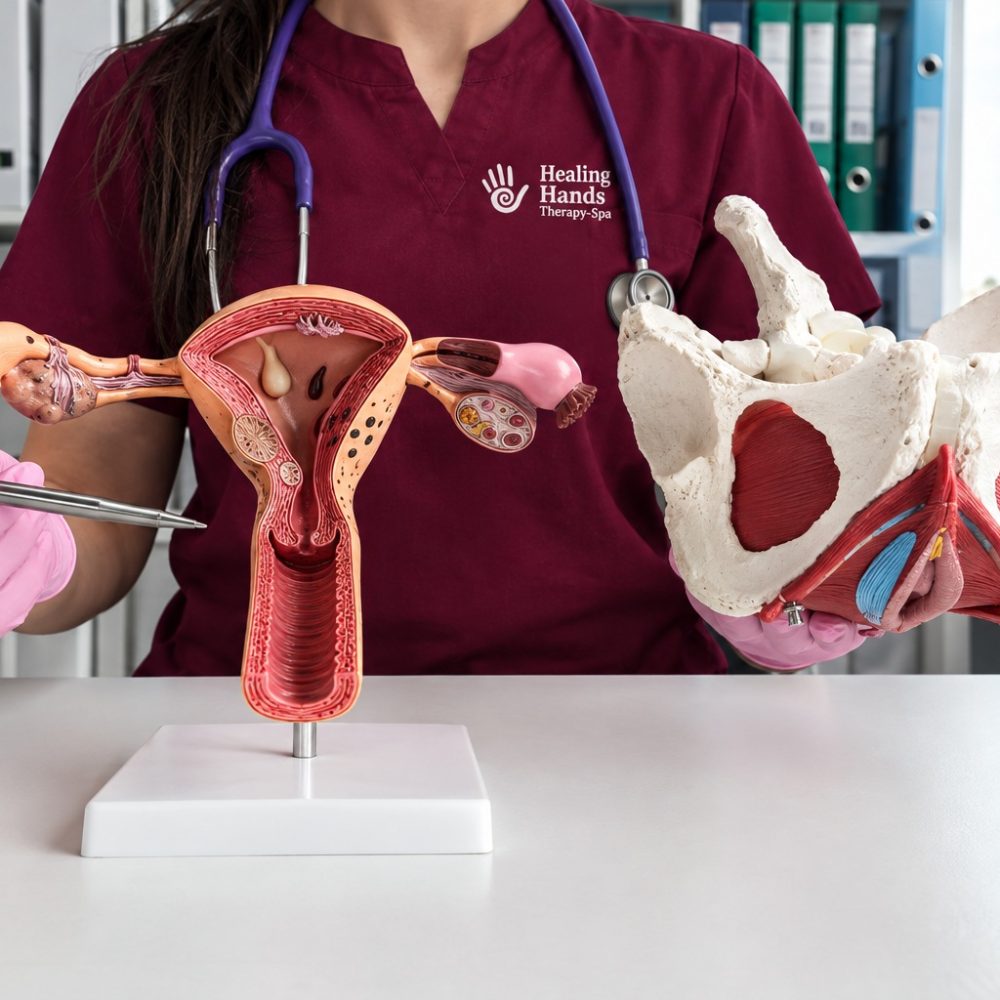

Have you noticed small urine leaks when coughing, laughing, running, or lifting weight? Do you feel pressure or heaviness in the pelvic area, difficulty controlling gas, or less confidence when exercising? Although these symptoms are common, they should not be considered an inevitable consequence of age, pregnancy, or childbirth.
Pelvic floor weakness can influence continence, support of the pelvic organs, trunk stability, and the ability to perform physical activities safely. It can also affect a person’s peace of mind and quality of life, causing them to limit exercise, travel, or social activities for fear of experiencing symptoms.
The good news is that specialized physiotherapy offers conservative, evidence-based tools to assess the problem, restore muscle function, and teach strategies that support a progressive return to everyday activities. Clinical guidelines recommend adapting treatment to each patient’s symptoms, needs, preferences, and abilities.
What Is the Pelvic Floor?
The pelvic floor is a group of muscles, fasciae, and connective tissues located at the bottom of the pelvis. It can be imagined as a flexible base that supports important structures and participates in functions such as bladder and bowel control.
These muscles do not work in isolation. They coordinate with the diaphragm, deep abdominal muscles, back, and hips to respond to changes in pressure inside the abdomen. Every time we breathe, cough, jump, carry an object, or rise from a chair, the pelvic floor must adapt to the demand.
A functional pelvic floor needs more than strength. It must also be able to relax, coordinate, sustain a contraction for a certain time, and respond quickly to sudden efforts. Therefore, experiencing symptoms does not necessarily mean that the solution is to perform more contractions without supervision.
What Does It Mean to Have Pelvic Floor Weakness?
Weakness occurs when the pelvic floor muscles do not generate enough strength, endurance, or control to respond adequately to daily activities. This may contribute to involuntary urine leakage, difficulty controlling gas, or a sensation of pelvic pressure.
However, the term “weakness” can oversimplify the problem. Some people have low strength, while others have difficulty coordinating the contraction with breathing or fully relaxing the muscles. Compensations involving the glutes, abdomen, or inner thigh muscles may also be present.
For this reason, copying a general online routine or performing Kegel exercises without a prior assessment is not always sufficient. The program should address the specific impairment identified and progress according to the person’s functional capacity.
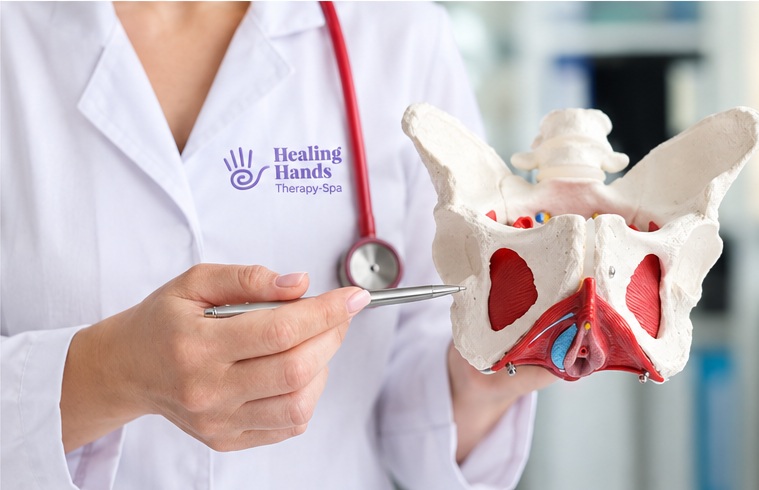
Anatomical model of the pelvic floor muscles used during a physiotherapy assessment.
Symptoms That May Indicate a Pelvic Floor Disorder
Symptoms may appear gradually or begin after an event such as pregnancy, childbirth, surgery, a prolonged period of coughing, or an increase in sports training load. The most common manifestations include:
- Involuntary urine leakage when coughing, sneezing, laughing, or lifting weight.
- Leakage while running, jumping, or performing impact activities.
- An urgent need to use the bathroom.
- Difficulty postponing urination.
- A sensation of heaviness, pressure, or descent in the pelvic region.
- Difficulty controlling gas.
- Problems emptying the bladder or bowel adequately.
- A sensation of insufficient support during exercise.
- The need to limit activities for fear of leakage.
Pelvic floor dysfunction may be related to urinary symptoms, bowel symptoms, pelvic pain, and pelvic organ prolapse. Because there are different presentations, guidelines recommend offering interventions according to each patient’s specific symptoms.
Why Can the Pelvic Floor Become Weak?
There is no single cause. Several factors usually influence the tissues’ ability to support loads or coordinate with the rest of the body.
Pregnancy and childbirth
During pregnancy, pressure on the pelvic floor and the demands placed on the tissues supporting the pelvis increase. Childbirth can also produce muscular, neurological, and fascial changes. A 2024 systematic review highlights pregnancy and childbirth as relevant factors in stress urinary incontinence and reports that appropriate prenatal training may support continence after delivery.
Hormonal changes and aging
Over time, changes may occur in muscle mass, tissue elasticity, and recovery capacity. This does not mean symptoms are inevitable, but the therapeutic program may require a more specific progression.
Chronic cough, constipation, and repetitive straining
Frequent coughing or intense straining during bowel movements repeatedly increases pressure inside the abdomen. If the pelvic floor cannot respond in a coordinated manner, this demand may contribute to the onset or progression of symptoms.
Excess weight and lifestyle habits
Higher body weight may increase the constant load on the pelvic support system. NICE recommendations indicate that physical activity, a healthy diet, weight management, smoking cessation, and control of conditions such as diabetes may help prevent or manage symptoms of pelvic floor dysfunction.
Impact sports and weightlifting
Running, jumping, or lifting weights are not necessarily harmful. Problems may arise when the demand exceeds the tissues’ current capacity or when breathing, abdominal function, and the pelvic floor are poorly coordinated.
Surgery and prolonged periods of inactivity
Some surgical procedures, periods of rest, or illnesses may reduce general strength and alter muscular control. In these situations, recovery should be gradual and adapted to the clinical context.
Not Everything Is Solved by Doing Kegel Exercises
Pelvic floor contraction exercises, popularly known as Kegel exercises, may be part of treatment, but they are not a universal routine.
For some people, the initial goal is to learn how to identify and correctly contract the muscles. Others need to improve endurance, response speed, or coordination with breathing. There are also cases in which relaxation and pressure control should be addressed before beginning a strengthening program.
The 2024 Cochrane review recognizes pelvic floor muscle training as a recommended intervention for women with stress, urgency, or mixed urinary incontinence. However, programs may vary in exercise type, dosage, and level of supervision, making individualized prescription especially important.
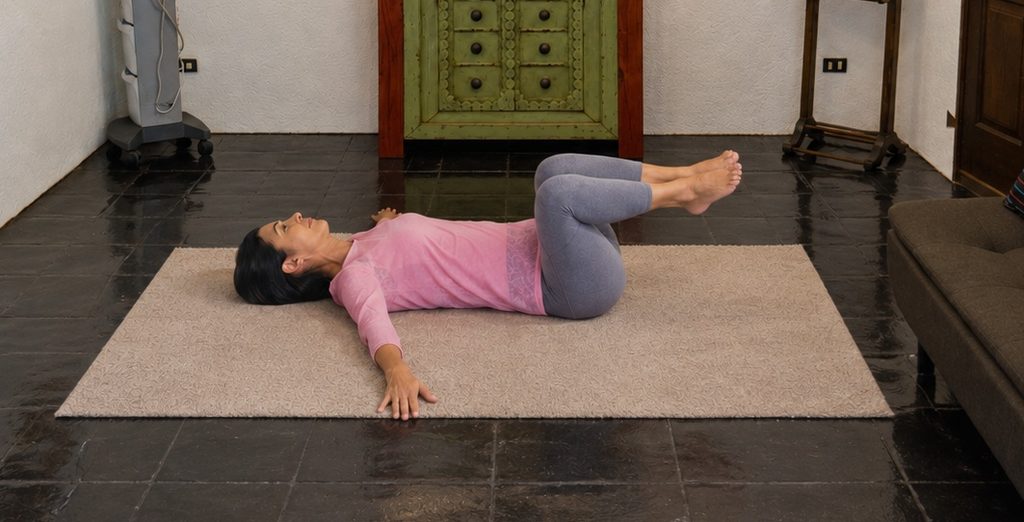
Breathing and pelvic floor muscle activation exercise guided by a physiotherapist.
How Is a Specialized Physiotherapy Assessment Performed?
The assessment begins with a respectful and confidential clinical interview. The physiotherapist asks about the symptoms, their progression, urinary and bowel habits, medical history, activity level, pregnancies, childbirths, surgeries, and personal goals.
The assessment may include:
- Analysis of posture and breathing.
- Assessment of pelvic, spinal, and hip mobility.
- Observation of abdominal and trunk control.
- Ability to manage pressure when coughing, standing up, or lifting weight.
- Identification of muscular compensations.
- Functional assessment while walking, running, jumping, or exercising.
- Use of questionnaires, symptom records, or bladder diaries.
- Specific pelvic floor assessment when indicated and with informed consent.
Privacy and consent are essential. Before any procedure, the professional should explain what it involves, its purpose, and available alternatives. The patient may ask questions, request adaptations, or stop the assessment at any time.
How Does Pelvic Floor Physiotherapy Help?
Treatment is not limited to asking the patient to “squeeze and release.” Specialized physiotherapy seeks to restore the complete function of the system through education, progressive exercise, and changes that can be applied to daily life.
1. Education and muscle awareness
The first step is understanding where the pelvic floor is, what it does, and how it should coordinate with breathing. Many people contract the glutes, abdomen, or legs because they cannot correctly identify the pelvic muscles.
Learning to recognize the movement prevents compensations and improves the quality of training.
2. Personalized muscle training
Depending on the assessment results, the program may address:
- Contraction strength.
- Muscular endurance.
- Rapid response to coughing, sneezing, or impact.
- Coordination with breathing.
- Ability to relax completely.
- Integration into functional movements.
Evidence shows that pelvic floor muscle training can reduce symptoms of urinary incontinence. A systematic review including 15 clinical trials and 2,441 participants found improvements with these programs, although protocols and complementary treatments varied across studies.
3. Breathing work and abdominal pressure control
Holding the breath while lifting weight or exercising can increase internal pressure. Physiotherapy teaches patients to coordinate breathing with effort and distribute loads more effectively among the diaphragm, abdomen, back, and pelvic floor.
4. Trunk and hip strengthening
The pelvic floor is part of a system. Therefore, treatment may include exercises for the glutes, hips, deep abdomen, back, and postural control.
The goal is not to strengthen isolated muscles, but to improve the body’s ability to respond in a coordinated manner while walking, lifting, climbing stairs, running, or training.
5. Retraining functional activities
After developing control in simple positions, exercises should be progressively integrated into the activities that provoke symptoms.
Progression may include:
- Sitting down and standing up.
- Going up and down stairs.
- Carrying objects.
- Performing squats.
- Jogging and running.
- Jumping.
- Returning to the gym or sports.
6. Education about everyday habits
Treatment may include strategies to improve hydration habits, urination frequency, bowel transit, toileting posture, and load distribution. Lifestyle changes are part of the recommendations for preventing and managing pelvic floor dysfunction without surgery.
7. Biofeedback and other therapeutic resources
In some cases, biofeedback may be used to help the patient recognize the contraction and observe the muscular response. Other resources may also be used when indicated, but they do not replace assessment or an active exercise program.
A systematic review compared muscle training alone with training combined with biofeedback or electrical stimulation. The results support muscle training, but show variability across interventions and populations, so additional resources should be selected according to individual needs.

Patient performing a functional exercise to strengthen the pelvic floor muscles.
How Long Does It Take for the Pelvic Floor to Improve?
There is no identical timeframe for everyone. Progress depends on the type of symptoms, how long they have been present, initial muscle capacity, associated factors, and consistency with the program.
Like any other form of muscle training, the process requires regular practice and progression. Improvement may begin with small changes, such as recognizing the contraction more accurately, controlling a cough, or completing a walk without leakage. The plan then advances toward more demanding tasks.
Pelvic floor training may also improve quality-of-life domains in people with urinary incontinence, especially when it is performed consistently and adapted to the patient’s functional needs.
Common Mistakes to Avoid
- Performing contractions without confirming that the correct muscles are being used.
- Contracting constantly and forgetting the relaxation phase.
- Holding the breath during exercises.
- Contracting too forcefully before adequate control has been developed.
- Using interruption of the urine stream as a regular exercise.
- Copying a general routine without considering individual symptoms.
- Returning to impact or weightlifting without progression.
- Stopping the program as soon as the first symptoms disappear.
- Ignoring urine leakage, pelvic pressure, or difficulty with bowel movements.
Who Can Benefit from Specialized Physiotherapy?
Pelvic floor physiotherapy may help people who:
- Experience urine leakage during daily activities.
- Leak urine when running, jumping, or lifting weight.
- Feel pressure or heaviness in the pelvis.
- Want to restore function after pregnancy and childbirth.
- Are recovering after surgery.
- Have difficulty controlling gas.
- Want to return to sports progressively.
- Need to learn how to manage abdominal pressure more effectively.
- Want to prevent mild symptoms from becoming more limiting.
Clinical guidelines support pelvic floor training as a non-surgical option for different symptoms, including urinary incontinence, fecal incontinence, and some cases of pelvic organ prolapse.
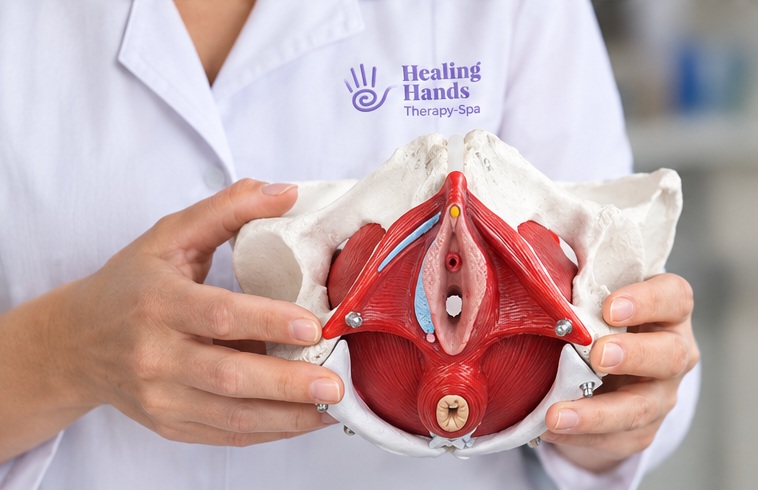
Private specialized pelvic floor physiotherapy session at Healing Hands
When Is It Important to Seek Medical Care?
A medical assessment is recommended in the presence of:
- Blood in the urine or stool.
- Severe or sudden-onset pain.
- Fever or signs of infection.
- Sudden difficulty urinating.
- Significant loss of sensation.
- Sudden weakness in the legs.
- Recent and marked changes in bladder or bowel control.
- A sensation of a mass, descent, or pelvic pressure that is getting worse.
- Symptoms after surgery or childbirth that cause concern.
These signs do not by themselves confirm a specific condition, but they require timely assessment to rule out conditions that may need medical management.
Specialized Pelvic Floor Physiotherapy at Healing Hands
At Healing Hands, Antigua Guatemala, we understand that discussing urine leakage, pelvic pressure, or bowel difficulties can feel uncomfortable. That is why we provide a professional, private, and respectful environment where each patient can explain their symptoms without fear of judgment.
Our approach may include:
- Personalized physiotherapy interview and assessment.
- Education about pelvic floor anatomy and function.
- Progressive muscle training.
- Coordination among breathing, the abdomen, and the pelvic floor.
- Exercises for the trunk, pelvis, and hips.
- Retraining of everyday activities.
- Gradual return to exercise and sports.
- Recommendations for maintaining results over the long term.
The goal is not only to reduce a symptom. We seek to help each person regain security, control, and confidence so they can move freely again.
How to Schedule an Assessment?
If you have noticed urine leakage, a sensation of pelvic heaviness, difficulty controlling gas, or insecurity during exercise, you do not need to wait for the symptoms to worsen.
You can schedule a specialized physiotherapy assessment at Healing Hands, Antigua Guatemala, through our website or by contacting our team directly through WhatsApp.
Individualized treatment can be the first step toward understanding what is happening and progressively regaining control of your body.
Bibliographic references in APA format
Alouini, S., Memic, S., & Couillandre, A. (2022). Pelvic floor muscle training for urinary incontinence with or without biofeedback or electrostimulation in women: A systematic review. International Journal of Environmental Research and Public Health, 19(5), 2789. https://doi.org/10.3390/ijerph19052789
Curillo-Aguirre, C. A., & Gea-Izquierdo, E. (2023). Effectiveness of pelvic floor muscle training on quality of life in women with urinary incontinence: A systematic review and meta-analysis. Medicina, 59(6), 1004. https://doi.org/10.3390/medicina59061004
Hay-Smith, E. J. C., Starzec-Proserpio, M., Moller, B., Aldabe, D., Cacciari, L., Pitangui, A. C. R., Vesentini, G., Woodley, S. J., Dumoulin, C., Frawley, H. C., Jorge, C. H., Morin, M., Wallace, S. A., & Weatherall, M. (2024). Comparisons of approaches to pelvic floor muscle training for urinary incontinence in women. Cochrane Database of Systematic Reviews, 12, CD009508. https://doi.org/10.1002/14651858.CD009508.pub2
Mantilla Toloza, S. C., Villareal Cogollo, A. F., & Peña García, K. M. (2024). Pelvic floor training to prevent stress urinary incontinence: A systematic review. Actas Urológicas Españolas, 48(4), 319–327. https://doi.org/10.1016/j.acuroe.2024.01.007
National Institute for Health and Care Excellence. (2021). Pelvic floor dysfunction: Prevention and non-surgical management (NICE Guideline NG210). https://www.nice.org.uk/guidance/ng210
Okeahialam, N. A., Dworzynski, K., Jacklin, P., & McClurg, D. (2022). Prevention and non-surgical management of pelvic floor dysfunction: Summary of NICE guidance. BMJ, 376, n3049. https://doi.org/10.1136/bmj.n3049